Table Of Content
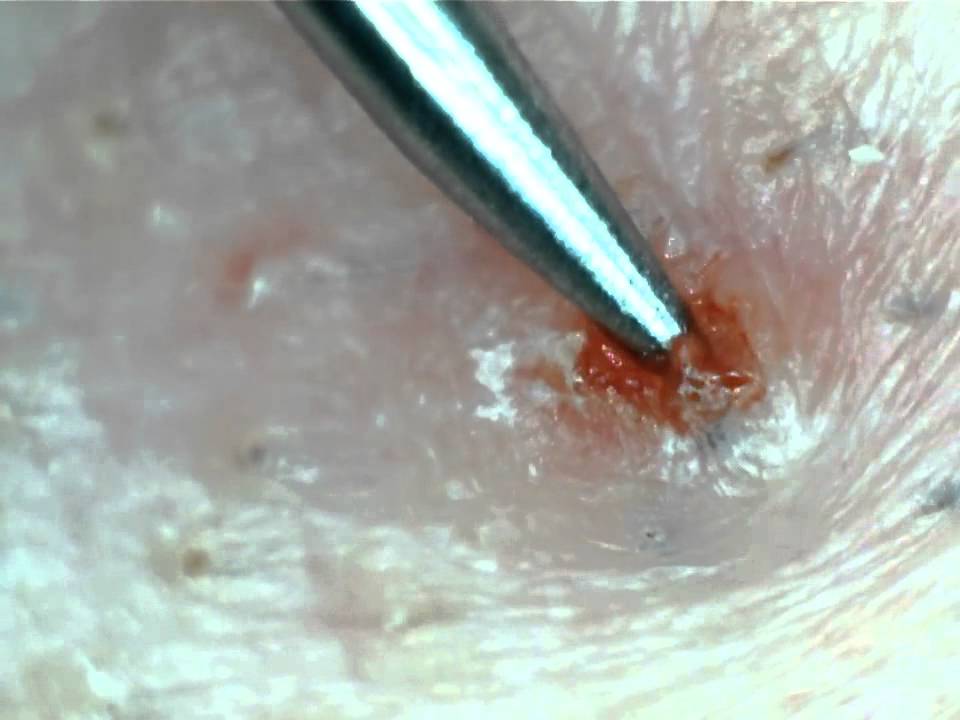
Waxing, plucking and threading hair can also lead to ingrown hairs. Clean the area with warm, soapy water, clean your angled tweezers with alcohol and gently grasp the hair. If it’s difficult to see the area, use extra lighting like an LED ring light and a magnifying mirror. This will allow you to grasp only the hair and avoid damaging your skin. If the ingrown hair becomes infected, you may need antibiotics. If the hair is near the skin’s surface, however, you may be able to remove it by gently grasping it with sterilized tweezers.
Subscribe to MedicineNet's Skin Care & Conditions Newsletter
Diagnosis of an ingrown hair can be confirmed with a medical history and a physical exam. Use of this website and any information contained herein is governed by the Healthgrades User Agreement. The content on Healthgrades does not provide medical advice. Always consult a medical provider for diagnosis and treatment. You might have small bumps with hairs in the middle of your face and neck or on other hairy places on your body.
Management and Treatment
A secondary skin infection occurs when a break in the skin from a primary infection allows bacteria entry into deeper tissues. This can lead to widespread inflammation and pain as well as possible scarring and tissue damage. If you have the occasional ingrown hair, it is not unreasonable to release it yourself with the right tools and precautions. To diagnose an ingrown hair, your doctor will examine the area.
How can I prevent ingrown hair?
They may appear anywhere hair grows on your body, but they commonly appear in places where you shave, tweeze or wax, especially your face, legs, armpits and pubic area. A good skin care routine helps prevent ingrown hairs from forming, while at-home treatments can help release the hair from underneath your skin and provide relief. Contact your healthcare provider if you notice any signs of infection. If you notice an irritating, painful, or swollen bump on your skin after shaving, you likely have an ingrown hair. The easiest treatment for an ingrown hair is to wait it out and let the hair grow long enough so that it can loosen up from the skin.
Healthdirect Free Australian health advice you can count on.
Other common locations of ingrown hairs include the face, neck, thighs, and buttocks. Although possible, it is rare to have ingrown hairs all over the body. Ingrown hairs do not affect the mouth, palms, vagina, or soles of the feet, as there are no hair follicles in these locations. Most instances of ingrown hair get better without treatment. You can avoid this condition by not removing hair or not shaving very close to the skin. If that's not an option, you might try other hair removal methods that lessen the risk of developing ingrown hair.
Bacteria can then take over and cause an infection known as folliculitis, which leads to the development of a cyst. Certain diseases or trauma to your skin can also cause them. You can’t always prevent ingrown hairs, but you can take steps to lower the chances of them developing.
Medical Professionals
Topical tretinoin cream may thin out the epidermis, reduce the buildup of dead skin cells, and decrease hair embedding into the follicles. Topical corticosteroid creams are applied to reduce inflammation of inflamed ingrown hairs. Ingrown hairs most characteristically involve areas that are shaved, like the beard, bikini area, and legs.
Laser hair removal and electrolysis

Preventing ingrown hairs can decrease your risk of related infections. A doctor will usually assess an ingrown hair infection by looking at the symptoms and asking about your medical history. Home remedies can often treat ingrown hairs, even if the affected area becomes infected. Infections can occur if a person does not treat the hair or if they have a weakened immune system. The simplest way to prevent ingrown hair is to allow hair to grow without cutting it too short. Antibacterial washes, such as benzoyl peroxide (Clearasil, Proactiv) or chlorhexidine (Hibiclens), can be used once or twice a day to control the infection.
By Angela PalmerAngela Palmer is a licensed esthetician specializing in acne treatment. Popping a pustule also forces pus into deeper tissues where it can form a pus-filled cyst or nodule. Ingrown hairs are sometimes confused for pimples but are relatively easy to distinguish based on their location and other signs and symptoms.
Your healthcare provider may also prescribe oral antibiotics to treat infection. In severe cases, you might need chemical peels, photodynamic therapy (light therapy), or laser therapy. The best way to get rid of ingrown hair is by no longer shaving, tweezing, or waxing. If you can’t stop entirely, try taking a break or limiting the number of times you shave per week. Squeezing an ingrown hair will increase the risk of infection. If an infection is present, squeezing the bump may worsen it.
How to get rid of razor burn, according to dermatologists - NBC News
How to get rid of razor burn, according to dermatologists.
Posted: Fri, 11 Aug 2023 07:00:00 GMT [source]
I use this scrub on my legs and underarms once or twice a week, but you can use it daily if your skin tolerates it, according to Selfmade. Some prescription medications can help prevent ingrown hairs. Retinoid creams are effective in removing dead skin cells that may contribute to ingrown hairs.
Since ingrown hairs can occur in any hair-bearing area, we note whether each product is meant for your face or body. Make sure to avoid removing hair in the area where you have an ingrown until it’s fully healed, experts told us. This article explains what an ingrown hair cyst looks like and why these bumps form.



No comments:
Post a Comment