Table Of Content

What if you’ve tried home remedies, and the ingrown hair just won’t go away? The ingrown hair may eventually make its way out of your skin. There are also situations where the hair will continue growing under your skin. In this case, Dr. Bullard suggests seeing a dermatologist. Exfoliation should be approached carefully, as it causes inflammation, which leads to hyperpigmentation and may not be very helpful in resolving ingrown hairs. Apply a warm, moist — not dripping — washcloth for 10 to 15 minutes, three or four times a day.
When should I see my doctor?
With pseudofolliculitis barbae, the formation of a keloid can often cause permanent scarring. Acne Keloidalis Nuchae (AKN) is a chronic, inflammatory condition that most commonly affects hair follicles on the back of the neck in patients with skin of colour (coloured skin). It can be tempting to pop an ingrown hair, especially if you can see a pustule around the hair follicle. The first sign of an infected ingrown hair is often a bump.
How Can You Prevent Ingrown Hair?
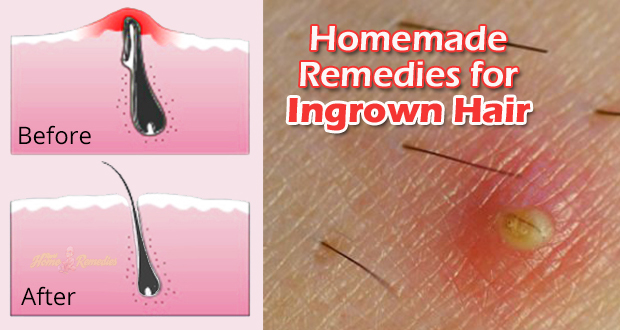
When it comes to razor bumps, the cause is usually improper hair removal techniques. A hair becomes ingrown if it grows back into your skin while being outside of its hair follicle. The curlier the hair, the more likely it is to become ingrown. A hair can curve back into your skin as it grows out and become trapped under your skin. So, wearing tight clothing such as leggings and jeans can contribute. If you’re aiming for a smooth, hair-free look, ingrown hairs can ruin the effect.
Emma Watson's Preferred Ingrown Hair Preventative Oil Will Keep You Happy and Smooth - Yahoo Life
Emma Watson's Preferred Ingrown Hair Preventative Oil Will Keep You Happy and Smooth.
Posted: Mon, 09 Oct 2023 07:00:00 GMT [source]
Cetaphil Acne Relief Body Wash
Warm compresses soften your skin and may help ease inflammation and discomfort by allowing your skin to open and drain if there’s any pus present. Ingrown hairs can also be caused by wearing tight clothes that force hair to grow back into your skin. Doctors treat staph infections with antibiotics to prevent other serious complications, such as a blood infection. If bacteria, fungi, or other pathogens enter the skin, an infection can develop, known as folliculitis.
Other times, a skin bacterial culture may be taken by a cotton-tip applicator to assist in determining an infectious cause. The results of electrolysis and laser hair removal are immediate. You can try using some topical treatments—either over-the-counter or prescription from your provider—to help with healing. Natural antimicrobials like tea tree oil can also be helpful. Just apply a warm, clean washcloth as a compress to soften your skin, which can help move the hair to the surface of the cyst. If your cysts are hereditary, you may need ongoing treatments as they recur.
How to Deal With Ingrown Hairs
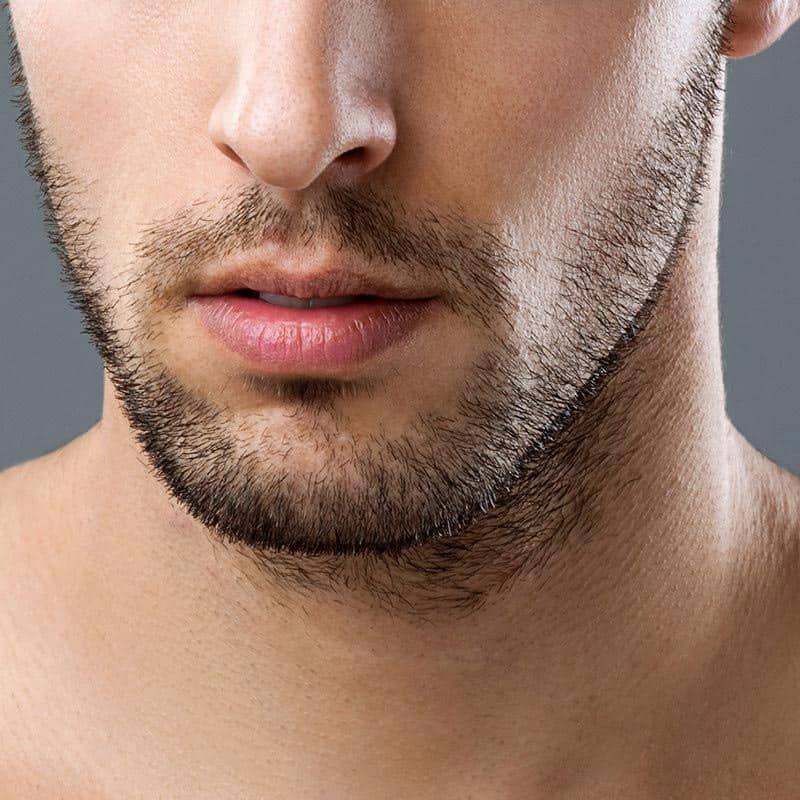
The most effective way to prevent ingrown hairs is to stop shaving. If you allow your hair to grow out fully, there won’t be an opportunity for the hair to become ingrown. The beard area of your face (neck, cheeks and chin), legs, armpits and pubic area (bikini line and inner thigh) are most likely to develop ingrown hairs. However, they may also appear on other parts of your body, including your scalp, chest, back, abdomen, inside of your nose (nostril), eyebrows and buttocks (butt). Shaving is the most common type of hair removal people do at home, and improper technique is often the culprit of razor bumps and razor burn.
How to Identify and Treat an Ingrown Hair Cyst
It will make an infection more likely and can lead to scarring. If the hair is completely under your skin, avoid the temptation to poke the area with a sharp object and dig out the hair. Please see a healthcare professional for help in this situation. The most practical approach is to stop shaving, plucking, or waxing and allow the hair to grow back naturally until the skin is fully healed.
And because the hair doesn’t grow back after treatment, you won’t have to worry about ingrown hairs. Ingrown hairs are caused by an inflammatory reaction, often after shaving or waxing. Most ingrown hair infections resolve in time with good hygiene, and over-the-counter creams may also help.
Professional Treatments for Ingrown Hair
If the hair is longer, it may be less likely to become embedded as an ingrown hair. Thankfully, there are steps you can take to manage ingrown hair—and prevent it from happening in the first place. It’s also important to keep the area clean and moisturized. If home remedies aren’t helping and the cyst does not appear to be healing, see a doctor. They can prescribe antibiotics to clear up the infection and/or determine if the cyst needs to be surgically removed.
The Pro's Guide to a Smooth Shave and Treating Razor Bumps - Vogue
The Pro's Guide to a Smooth Shave and Treating Razor Bumps.
Posted: Fri, 06 Oct 2023 07:00:00 GMT [source]
There are also treatments available to help with potential complications of pseudofolliculitis barbae. You can also try to release the trapped hair at home if you can see the hair shaft just under the skin surface. Apply a warm, wet compress to the area to open your pores and use a sterile needle to release the tip of the strand. A doctor may prescribe oral steroids, antibiotics, or other medications if the infection has a risk of becoming severe or spreading to the blood and internal organs. Topical and oral antibiotics may be required for severe cases that form pustules and abscesses, which indicate secondary infection.
Possible treatments for razor bumps include keeping your skin moisturized and discontinuing shaving, which allows your ingrown hairs to grow out. Razor bumps are most common in Black cisgender males and those of Asian descent, as well as people who shave. You may also be at greater risk of developing bumps with ingrown hairs if you have naturally curly hair. Ingrown hairs can affect anyone but are more common in Black people with curly hair who shave.
Instead, consider permanent ways to remove hair, like laser treatments or electrolysis. Although quite not permanent, depilatory methods, which include liquid or cream treatments like Nair, can produce long-lasting results as well. Ingrown hair cysts are small, fluid-filled sacs of tissue on the skin.
If they’re not infected, some ingrown hair cysts can go away on their own. In some cases, there’s another underlying cause, such as a genetic mutation, which means they can develop again. Whether you shave, wax, or tweeze, removing hair isn’t always trouble-free. The process can cause swelling, irritating your skin, and leading to razor bumps and cysts. You may be more likely to get ingrown hairs if you have coarse or curly hair. A keloid is an abnormally hard and smooth scar that can spread beyond the original borders of the skin injury.
Picking at the hair can increase the risk of an infection spreading or worsening. If the infection becomes severe, a doctor may recommend antibiotics or other treatment. Taking measures to prevent ingrown hairs and treating any infections promptly can help prevent these. If you often develop infected ingrown hairs, the doctor may take a skin sample for testing. You may have a higher risk for ingrown hairs and related infections if your hair is naturally coarse or curly.




No comments:
Post a Comment